In the Hot Seat with Dr. Chloe Brimicombe
Written by:
Oliver Longstaff
.webp)

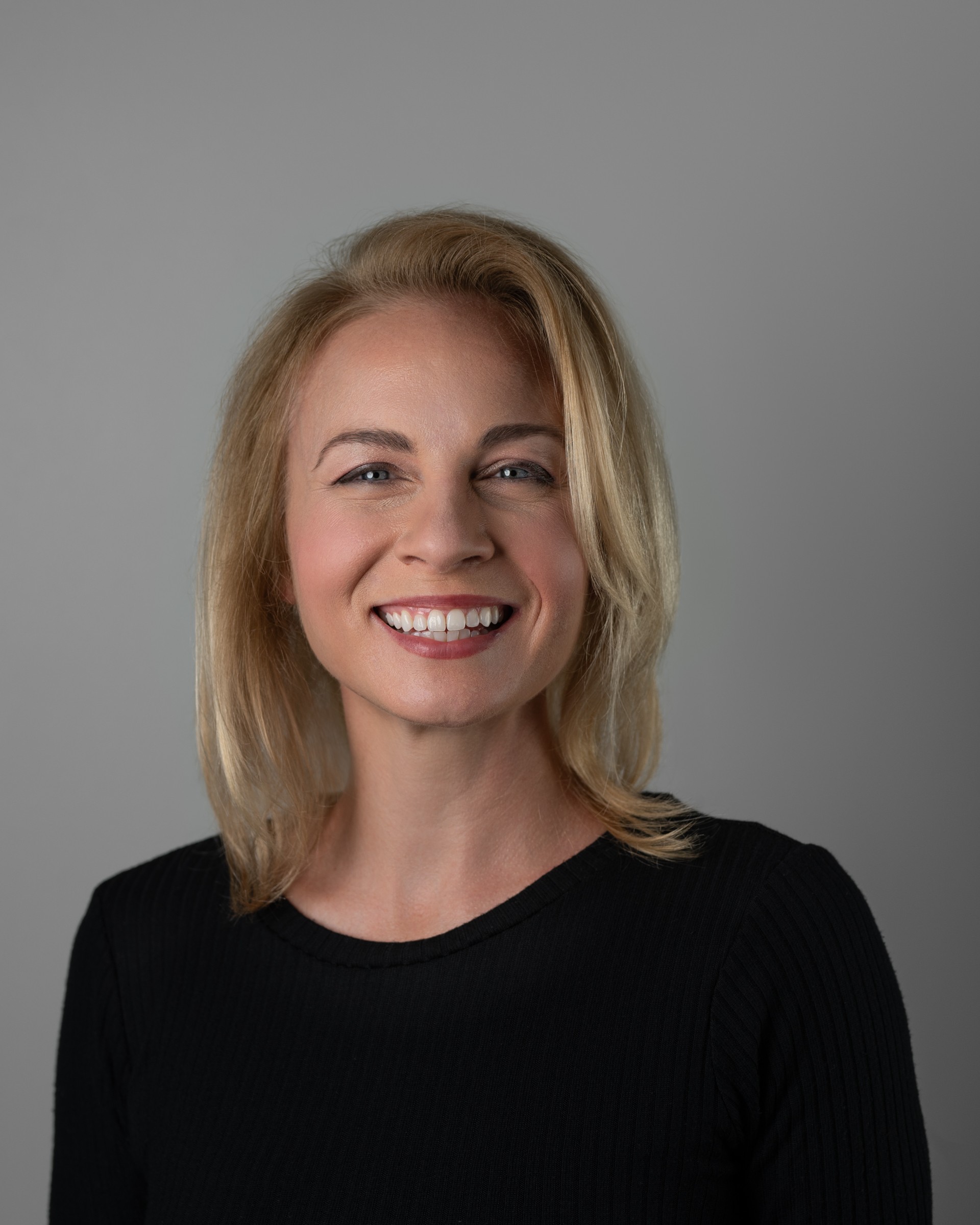
Dr. Chloe Brimicombe, Science Engagement Manager at the Royal Meteorological Society
Dr Chloe Brimicombe
More than Temperature: Heat, Health, and Climate Action
Our interview series, In The Hot Seat, is now well underway, having spoken to four researchers and industry experts, leaders in the field of climate and the built environment. In sitting down with these experts, we glean crucial insight into the scale of the climate crisis, how it impacts our mission of tackling overheating, and what can be done to support the lived experiences of those most vulnerable to extreme weather.
In our latest interview, we spoke to Dr. Chloe Brimicombe, Science Engagement Manager (Maternity Cover) at the Royal Meteorological Society who is Climate Scientist who specialises in the intersection between climate change and health and early warning system development. Read on to find out more about her work.
Good afternoon, Chloe, thank you very much for joining me!
Really happy to be here, Oliver!
As I do with all the experts I speak to, I like to get an understanding of not only the research they conduct but what motivates them as a researcher. Would you be able to talk about your academic background, how you got into climate research, and what drives you?
That’s quite a big question! My interest with climate sciences stems from my undergraduate, where I studied a joint BSc in computer science and physical geography at the University of Aberystwyth. At that point, I wanted to be a glaciologist, but I remember having this one really great lecture series on dry land environments, heat, and how that shapes environments in general. This is what got me interested in climate change, so I followed up and did a Master’s in climate change at King’s College London.
When one of my tutors asked me if I had considered a PhD, it wasn’t something I had thought to do before. After some thinking, I decided to do a doctorate at the University of Reading in heatwave forecasting, for Africa specifically.
With COVID hitting in the first year of my PhD, there were a few challenges in completing my research, but I worked hard and got it done! It ended up centring on global heatwave early-warning systems. One of my project partners was the European Centre for Medium-Range Weather Forecasts, where I luckily got seconded to and helped develop their heat metric. This is essentially a measure of how someone feels during an extreme heat event, which has now been released as a product globally on their website, a really fantastic output from my research!
And how would you describe your current research interests?
After my PhD, I then went on to do a postdoc in Austria. The project focused on the impact of heat on maternal, new-born, and child health in the EU and Africa. My interest overall has led me to in recent years look mostly into the impacts of heat on women (outside of pregnancy) and children, an area that has sadly been so underfunded in recent years. Going forward I am interested in creating research and translating it so it can be taken forward in climate policy and modelling and other areas.
That’s kind of a whistle stop tour of my interests!
Quite the career! Can you talk more to your motivations about why climate change specifically?
The reason I wanted to be a scientist has always been to help people. For instance, when I was working on the High Horizons project, I could see our research was going to save the lives of women and children around the world. Even sitting behind a computer, I found my work very emotive as I was analysing statistics of children under 5 in Africa who had died because of extreme heat, which really touched me as a person.
This is something that is often lost in data analysis; whilst the data points are usually considered in the abstract, we can’t forget that each represents a real human being who lost their life.
You mentioned the High Horizons project. I’ve heard a little about it before, but would you be able to dig into that?
High Horizons is a four-year project funded by the EU, working with 11 partner organisations across Europe and Africa to develop indicators for maternal, child, and new-born health to track the overall impacts of heat on health. They have also developed an early-warning system for heat based upon maternal, new-born, and health worker health.
Another huge part of this was implementing climate adaptation in healthcare facilities, often susceptible to extremes of heat in terms of their ability to function, alongside measures to mitigate carbon emissions there too. This project very much targeted the medical impacts of extreme heat directly alongside how to improve heat conditions within medical facilities, and this kind of holistic approach is needed more. The result was a toolkit that can be applied anywhere across the world, launched at the latest COP.
Aside from what you were able to produce, how would you describe the impact of this project on the lived experiences of who was targeted?
I think many people don’t understand the potential impacts of climate change on maternal and newborn health. Extremes of heat will affect children as early as when they are developing in the womb, and we’re seeing that play out with heatwaves seemingly causing more babies to be born preterm and, in certain contexts, stillborn. For mothers, we see greater rates of pregnancy-related conditions like preeclampsia and gestational diabetes.
One of the major impacts of this research was articulating the extent of this problem, as well as a report we published alongside UN agencies on how to produce heat indicators for these population groups specifically, which has now been taken up by the WHO and other associated agencies working at the overlap between climate and health.
It will be used to track how successful different policy changes are in protecting these groups. So, we delivered some strong outputs, but the real-world benefits of this are yet to be seen.
Since working on that project, has it influenced the subsequent work you’ve taken on? Where are your research interests now?
I’ve recently taken a year out of academia, after trying a post-doc at the London School of Hygiene and Tropical Medicine which was interesting looking at the impacts of heat on health in the UK and how vegetation and water bodies reduce the risk. You can find out more about the work of that project here: THERM-UK | LSHTM.
I really like my new job, which includes helping to create programs of work across climate change and weather areas. What is great about my current role is that I get to engage different groups and scientists to see whether we can help them to progress in an area of work. We do this in areas such as Energy and Insurance.
Much of what I have seen from your research has focused on the use of heat metrics to measure the effects of heatwaves. Could you explain what heat metrics are and how their use is beneficial?
Heat metrics are a more accurate way to measure the likelihood of someone experiencing heat stress or heat illness during an extreme heat event. Whilst you would likely see heat stress during a heatwave, they are two different things; heatwaves are meteorological phenomena, whereas heat stress is a physiological response to heat exposure.
These metrics can be incredibly effective due to the number of factors they integrate. By considering all aspects of heat, including air temperature, level of humidity, the amount of solar radiation, and wind speeds, they can start to paint a relatively accurate picture of how people will experience heat. Each factor influences how much your body heats up, as well as its ability to cool down.
On top of this, the metrics I’ve worked with have considered more human factors alongside. For instance, by incorporating demographic factors like age, weight, gender, and the region you’re in, we can understand people’s likely experiences with heat even more. Of course, considering so many different aspects means these metrics can become very complex, but this only serves to boost their accuracy and utility.
We can use these indexes to determine what a response to extreme heat should be. They are often more accurate because a number of models have historically placed temperature as the most important factor, which simplifies how we each experience heat, but this has largely been as a result of not fully understanding how humidity impacts heat-related illness and mortality. We need updated frameworks to understand the picture better, looking more into how adjusting each of these factors will influence our health, for instance how greater humidity might impact an underlying health condition.
So this is an area that demands a greater level of research interest and funding?
I think there’s a bit of a disconnect because different research disciplines appear quite siloed; if you’re an epidemiologist working in climate, it might be tempting to use mean temperature readings as the basis for your research, without necessarily consulting, say, physiologists on the nuanced impacts of heat on health.
Trying to get researchers across different specialties to recognise the value and usability of heat metrics is something I’ve been doing for many years. We’re getting there!
You have articulated that this is one of the major areas where we need more focus. As a more ‘blue sky’ question, what would you say are the other most pressing concerns or challenges in overheating?
I would say it’s the whole systems approach to how we consider adaptation around the world. For example, the prevailing view seems to be that early warning systems for heat, one key response to climate adaptation, is going to be fundamental to how we tackle heat. But, looking into the literature, this is not why these systems were designed. They were only ever meant to be an integrated part of a wider heat response, which involves us having policies around urban greening, behavioural change, and the retrofitting of existing infrastructure. This is alongside, of course, actual climate mitigation and a reduction in emissions. If we don’t mitigate, there will be areas of the global south that simply become uninhabitable, which is already starting to happen in parts of countries like Iraq and Iran.
Then one area that I don’t think has been addressed at all is the effects of overheating, and different factors thereof, on agriculture. Much of the EU’s GDP is based around the export of fruit and vegetable crops, but there seems to be insufficient understanding of how this industry will be affected by changes in climate and the kinds of adaptive measures we could implement in agriculture.
What would you say could be done to address these challenges? Envision that you are in control of the UK government - what would you do to prepare the population for extreme temperatures?
This might sound quite negative initially, but I think the government needs to stop certain types of research; far too much focus now is placed on high-level research into the overarching impacts of climate change, but we need to dig deeper into the implementation side of things. This kind of research allows us to understand how, on the ground, we can put in place urban cooling. How can we engage local communities - healthcare centres, care homes, schools - to put in place measures that are most effective for them?
After we have this understanding, we will then need to actually get on and do it. This will require large amounts of money, particularly because the response would likely be to retrofit huge portions of our housing and public venues to improve cooling.
Awareness of the need for this is also growing, since the 2022 heatwaves. Local councils understand this challenge will only get worse and are actively looking for solutions to it, but they are overstretched and limited in what they can do in the absence of top-level policy. We could integrate a lot of these policies into health, housing, and social care, but there generally seems to be a lack of appetite in addressing the gaps in these systems anyway.
Speaking of awareness, I know that you’re very passionate about scientific communication. When it comes to heatwaves and overheating, what do you think are the core messages that need to be communicated to the public and what is the best manner in which to do so?
So far, we have got communications wrong in this area. When we initially started talking about heat as a research community, we were selling it as more deadly than other weather hazards, myself included. But I think there is much more that needs to be said with regards to storytelling, detailing the day-to-day experiences of those subjected to high heat and bringing their voices to the table. As it stands, their input is missing from the way decision-making takes place in this country.
I have said before that the media should focus less on the research side of things and zero in more on, say, a healthcare worker in a case home looking after elderly patients suffering from chronic illnesses during a heatwave. They are the people experiencing these events and are those that will motivate others to think this is something that requires action. Until we get that right, I don’t think we will get the action we need.
The way we communicate these messages are just as important as the messages themselves; in an age of social media, fewer of us are tuned into the news through normal outlets, getting most of our news from TikTok and Instagram, particularly younger generations. We essentially need a marketing plan for the dangers of heatwaves that takes this into account, taking on climate deniers and misinformation too.
I couldn’t agree more! In my last question, I want to highlight how Shade the UK as an organisation is trying to create more of a dialogue between academia and industry. So, if you could ask one question of our next interviewee, what would it be?
My main question would be around training and consensus. Is there a way that we can build consensus across all the different sectors that make up our field and, if so, how?
I want to know how we can train people to tackle this issue, because that training frankly doesn’t exist right now. There are too many different fields working on this and they don’t seem to be communicating with one another.
An excellent question, I’ll be sure to ask it in my next interview! Dr. Brimicombe, we’ve reached the end of our time together. Thank you so much for your contributions.